
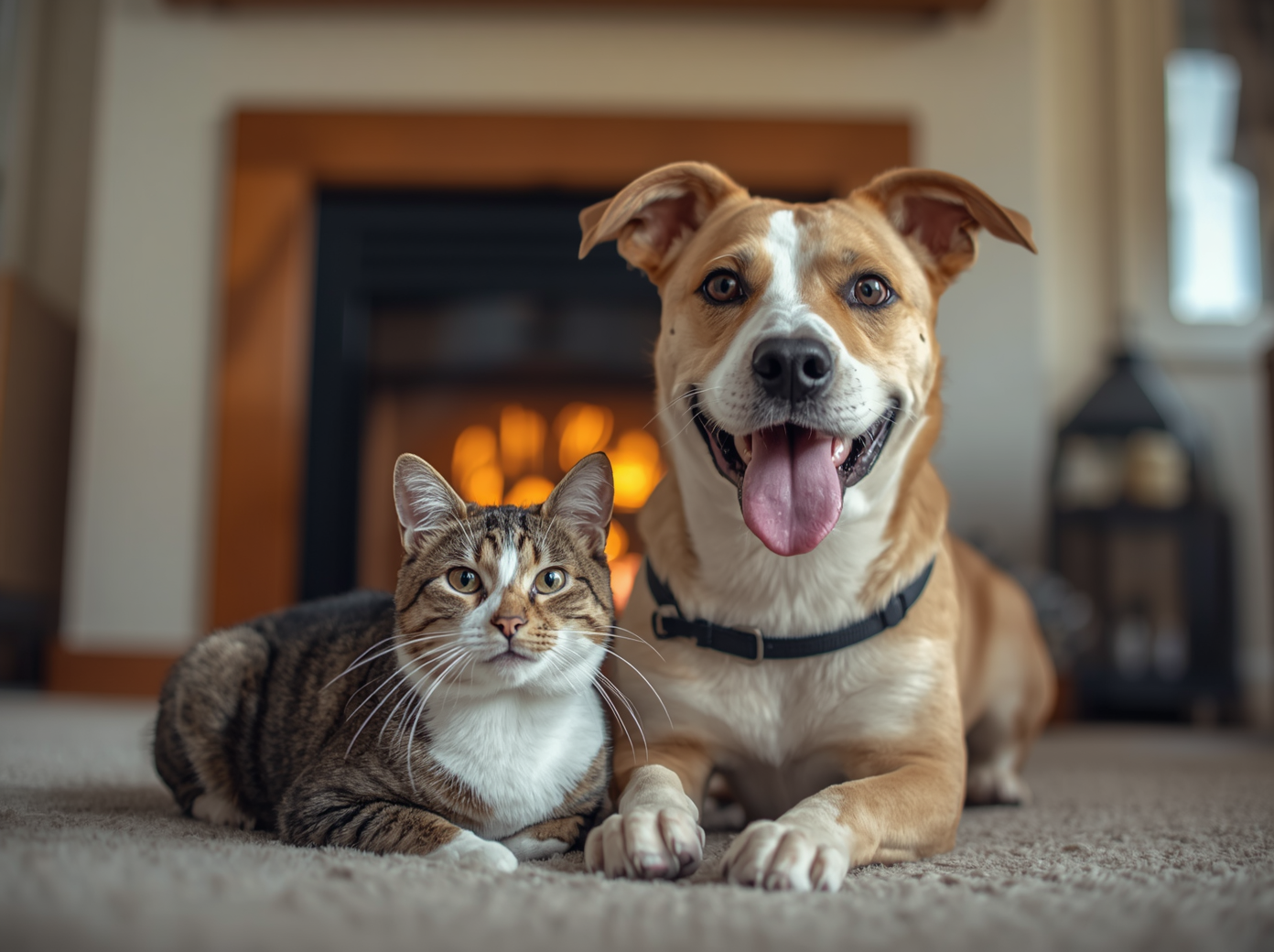
When it comes to pet care, most owners focus on food, toys, and health checkups. While these are important, one critical factor is often overlooked, your pet’s daily living environment. The space where your pet spends most of its time directly affects its behaviour, comfort, hygiene, and overall wellbeing.
Whether it’s a cat, dog, or small animal, a well designed living space can make a significant difference in how your pet feels and behaves everyday.
1. Environment Shapes Behaviour
Pets are highly influenced by their surroundings. A poorly designed space can lead to
- Restlessness
- Excessive barking or meowing
- Scratching or chewing
- Anxiety related behaviours
On the other hand, a comfortable and well ventilated environment helps pets feel secure, calm, and more relaxed.
For example, pets kept in cramped or poorly ventilated cages may become stressed, while those with enough space and airflow tend to be more settled.
2. Airflow & Cleanliness Affect Health
Ventilation is one of the most underestimated aspects of a pet’s environment. Poorly airflow can cause
- Odour buildup
- Moisture accumulation
- Bacteria growth
- Respiratory discomfort
A well ventilated space allows fresh air to circulate, reducing harmful buildup and keeping the area dry and comfortable. This is especially important in warm or humid climates, where enclosed spaces can quickly become uncomfortable.
3. Hygiene Impacts Daily Comfort
Cleanliness isn’t just about appearance, an unclean environment can lead to
- Skin irritation
- Unpleasant odours
- Increased bacteria exposure
- Stress from dirty surroundings
Simple habits like regular cleaning, proper waste management, and choosing materials that are easy to maintain can dramatically improve your pet’s daily experiance.
4. Surface Comfort Matters
Pets spend a large portion of their time resting. The surface they lie on plays a big role
- Joint discomfort
- Sleep quality
- Overall relaxation
Hard or unstable surfaces can make pets restless, while a stable and comfortable base encourages proper rest. At the same time, the surface must be easy to cleans and not trap moisture or odour.
5. Space Influences Movement & Mood
A restricted space can limit natural movement and lead to frustration.
- Turn around easily
- Stretch their bodies
- Adjust their resting position
- Move without obstruction
Even when using a cage or enclosure, the space should feel open and breathable, not restrictive.
6. A Calm Environment Reduces Stress
Noise, vibration, and instability can all contribute to stress in pets. A good living setup should
- Minimise rattling or movement
- Stay stable when pets move inside
- Provide a sense of security
Pets that feel safe in their environment are less likely to develop anxiety related behaviours.
7. Consistency Build Security
Pets thrive on routine and familiarity. A consistent living environment helps them
- Feel secure
- Develop stable habits
- Rest better
- Adapt more easily to daily routines
Frequent changes, unstable setups, or uncomfortable conditions can disrupt this sense of security.
8. It’s Not Just a Cage, It’s Their Home
Many pet owners see cages or enclosures as temporary spaces. In reality, for many pets, this is where they spend a significant part of their day.
- Safety
- Comfort
- Cleanliness
- Proper airflow
- Enough room to move naturally
When treated as a home rather than just containment, the quality of that space improves significantly.
Final Thoughts
A pet’s living environment plays a bigger role than many people realise. It affects behaviour, health, comfort, and overall happiness. Small improvements, better airflow, cleaner surfaces, more stable structures, and comfortable flooring can make a noticeable difference.
By paying attention to how your pet’s space is designed and maintained, you’re not just improving their surroundings, you’re improving their quality of life.
